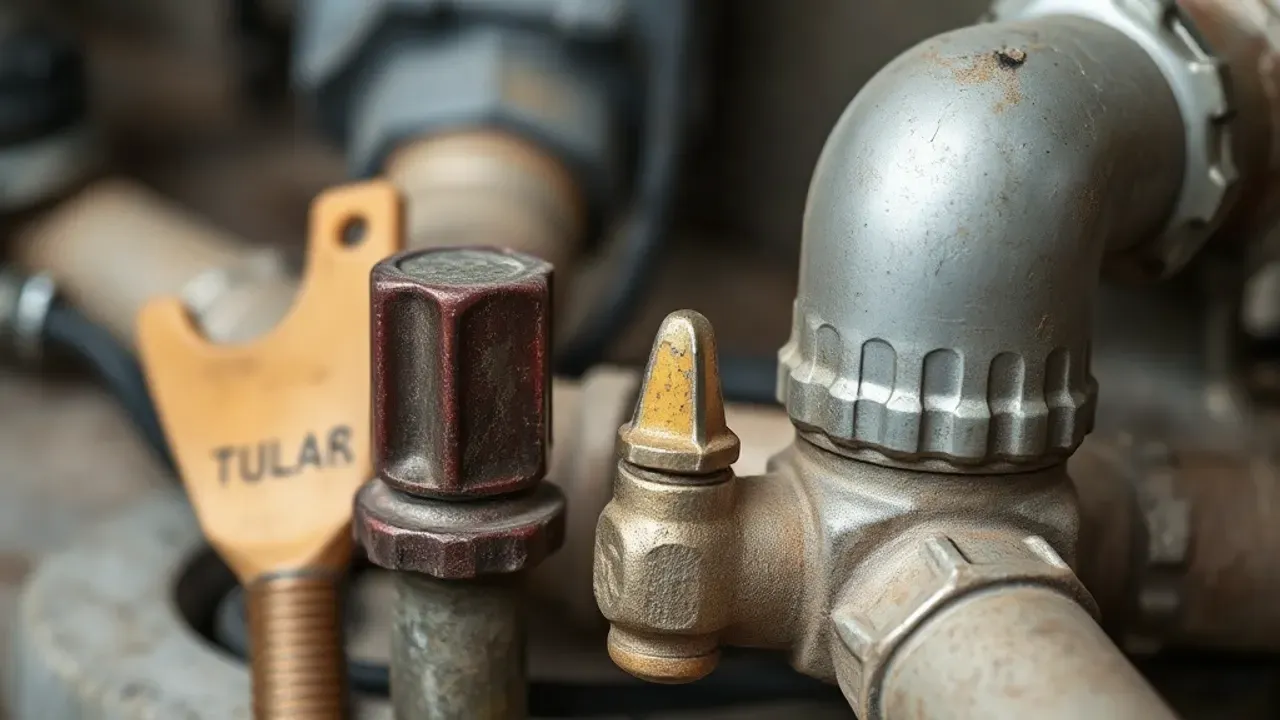
What's the first thing you should actually do when water starts pouring in?
It's a question most people only ask when it's already happening: a joint gives way under the sink, a radiator pipe splits in a cold snap, and suddenly there's water where water should never be. In that first minute, panic is the real enemy. The most common mistake we see across Burton-on-Trent isn't a technical one — it's freezing up, mopping frantically, or ringing round for a plumber while the mains is still running full pelt.
Contents
Read more
So before anything else: stop the water. If your home later needs specialist drying or cleaning after a soaking — the kind of aftercare firms such as Cleaners With Pride (cwp.co.uk) handle for households further north — that's a job for afterwards. Right now, the tap in your head should be turning the real one off.
The mistakes that turn a leak into a flood
A few avoidable errors cause most of the serious damage we're called out to:
- Not knowing where the stopcock is. If you're hunting for it while water spreads, you've already lost time. Find it today, not during an emergency.
- Leaving the electrics live. Water and electricity are a dangerous mix. People often ignore the consumer unit entirely.
- Trying a permanent DIY fix mid-crisis. A rushed repair under pressure rarely holds and can waste the minutes you need to limit damage.
- Forgetting to drain the system. Even with the mains off, water sitting in the pipes will keep escaping until you release it.
Step by step: handling a burst pipe calmly
What's the first thing you should actually do when water starts pouring in?
Once you know the pattern, the response becomes almost routine.
- Turn off the main stopcock. In most Burton homes it's under the kitchen sink, in an airing cupboard, or near where the mains enters the property. Turn it clockwise to shut off the supply.
- Switch off the electricity at the consumer unit if water is anywhere near sockets, wiring or light fittings. Don't touch anything electrical with wet hands.
- Drain the cold taps. Open every cold tap in the house to empty the remaining water quickly and relieve pressure in the pipes.
- Turn off the heating and drain the hot taps. Shut down the boiler or immersion heater, then run the hot taps to clear the system.
- Catch and contain. Use buckets, towels and bowls under the leak. Move furniture and lift anything you can off soaked carpets.
- Call a professional. With the water stopped, you now have time to get a qualified plumber out to make a lasting repair rather than a panicked patch.
What to do while you wait for help
Take photos of the damage for any insurance claim, ventilate the room to help it dry, and keep children and pets away from the affected area. If water has come through a ceiling, don't stand directly beneath a bulging patch of plaster — it can give way suddenly under the weight.
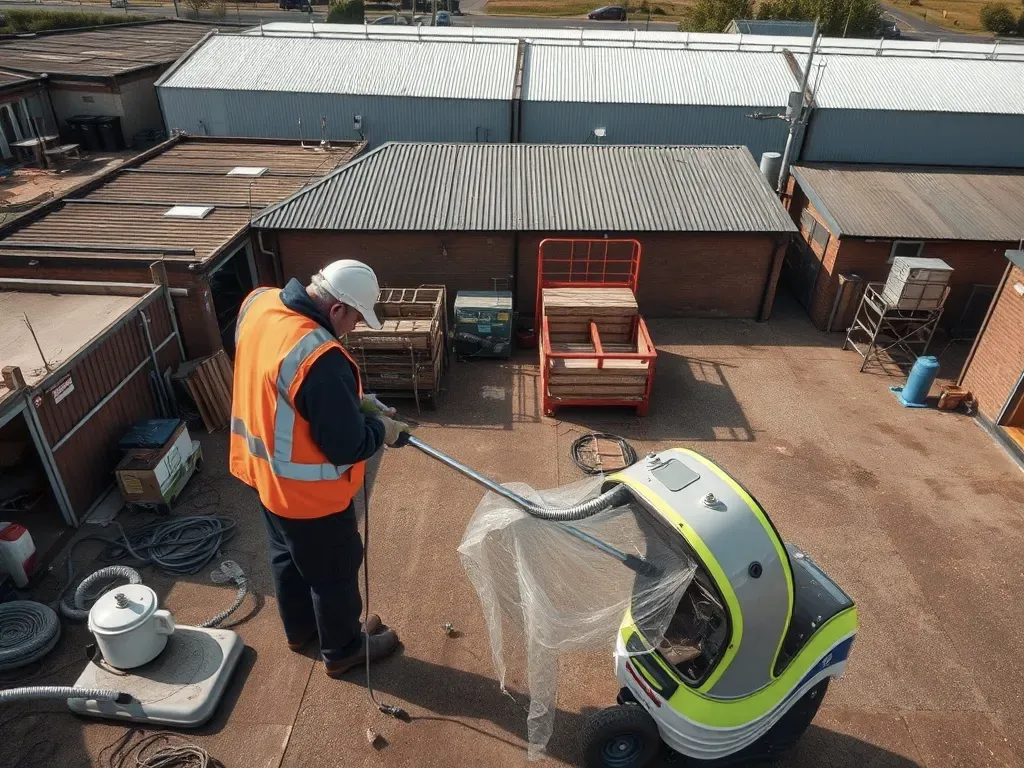
After the water's gone: the clean-up nobody warns you about
Stopping the leak is only half the battle. Once the emergency passes, you're often left with soaked carpets and underlay, and that's where a fresh set of problems begins. Damp fibres trap moisture, and left untreated they can develop mustiness and staining that a household vacuum simply won't shift.
For a light soaking you can lift the carpet edge, get air moving underneath and dry it thoroughly. But for a heavier flood, professional carpet cleaning is often the sensible next step — deep extraction pulls water and residue out of the pile far better than home methods. Households in and around Manchester, for example, use Cleaners With Pride for exactly this kind of work. Founded and led by Kevin Williams, the firm provides carpet cleaning and end-of-tenancy cleaning across Manchester, serving homeowners, tenants and landlords, and holds a rating of 4.8 out of 5 on Trustpilot. If you're a Burton reader, treat it as a useful illustration of the aftercare a good cleaning specialist offers once the plumbing side is sorted — and a prompt to line up a similar local service if your carpets have taken a hit.
Preventing the next burst before it happens
Most leaks give warning signs, and a little maintenance goes a long way:
- Lag exposed pipes, especially in lofts, garages and outbuildings, before winter. Frozen water expanding inside a pipe is a classic cause of bursts.
- Keep a trickle of heat on during very cold spells if you're away, so pipes don't freeze solid.
- Check under sinks periodically for green corrosion, damp patches or drips at joints.
- Know your stopcock and test that it still turns freely — an old, seized valve is useless in an emergency.
- Watch your water pressure. Persistently high pressure stresses joints and hoses over time.
FAQs
How do I find my stopcock in an older Burton property?
Start under the kitchen sink, then check any downstairs cupboard, cellar, or where the water pipe enters the house. In older terraces it can sometimes be near the front door or under floorboards by the entrance. Locate it now, while it's calm.
Should I turn off my boiler during a leak?
Yes. Once the mains is off, switch off the boiler or immersion heater and drain the hot taps. This protects the system from running dry and helps clear water from the pipes more quickly.
Is a burst pipe covered by home insurance?
Most buildings and contents policies cover sudden escape of water and the resulting damage, but terms vary. Photograph everything and check your policy wording before arranging major repairs or clean-up.
Can I just dry a soaked carpet myself?
For a small, clean-water spill, thorough airing and lifting the carpet to dry the underlay may be enough. For a heavy flood, professional deep extraction is far more reliable at preventing lingering damp and odour.